
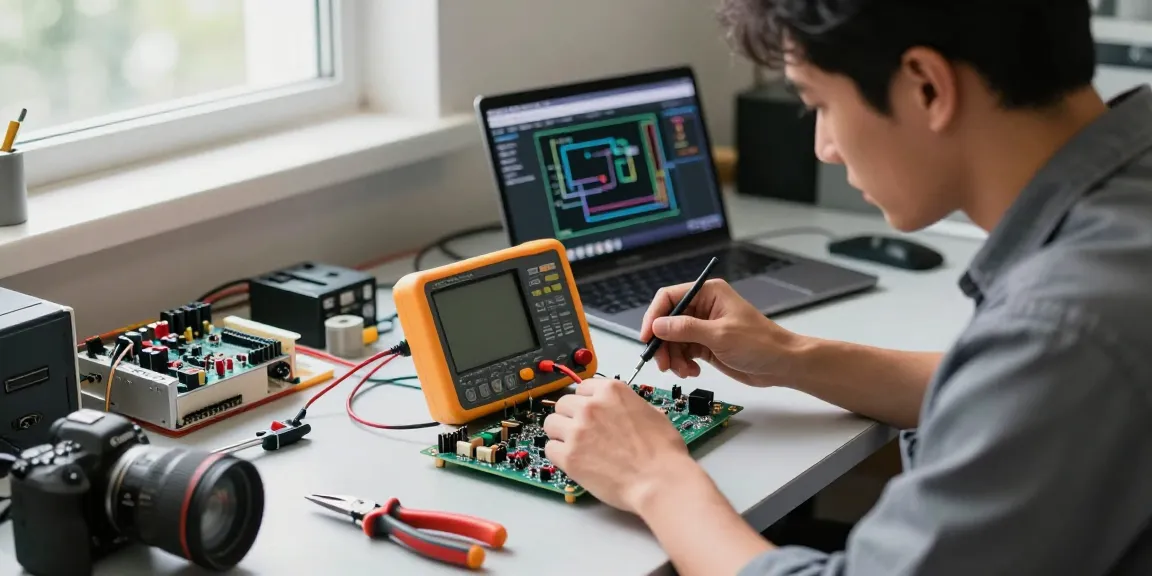
Understanding the Oscilloscope Multimeter
In the realm of electronics testing and troubleshooting, the Oscilloscope multimeter stands as a pivotal tool for both professionals and enthusiasts. Merging functionality in a compact design, it serves multiple purposes—from displaying waveforms to measuring electrical values. In this article, we will delve into the intricacies of oscilloscopes and multimeters and how their convergence has transformed the landscape of electronic diagnostics.
What Is an Oscilloscope Multimeter?
An oscilloscope multimeter is a versatile device that integrates the functionalities of both an oscilloscope and a multimeter into a single handheld instrument. While oscilloscopes are primarily used for visualising voltage signals over time, multimeters are designed to find voltage, current, and resistance values. The combination facilitates a more comprehensive approach to electronics diagnostics, allowing users to analyse real-time data while simultaneously measuring critical electrical parameters.
Key Functions and Features
Modern oscilloscopes, such as the HANMATEK® HO52S 3-in-1, come equipped with several critical features including:
- Bandwidth: A bandwidth of up to 50 MHz enables the device to capture a wide range of frequencies, suitable for various applications.
- Channels: Typically, these devices offer dual-channel functionality, allowing the simultaneous monitoring of two signals.
- Display: A 3.5” TFT backlit screen ensures clarity and visibility, even in poorly lit environments.
- Multimeter Capabilities: Functions include AC/DC voltage measurement, current measurement, resistance checks, and continuity testing.
- Memory Storage: Users can store and recall waveforms, enhancing their ability to analyse data over time.
Differences Between Oscilloscope and Multimeter
While both instruments are integral to electronics testing, they serve distinct purposes:
- Oscilloscope: Primarily visual, it provides real-time waveforms that help in understanding the nature of electrical signals.
- Multimeter: This device focuses on numerical values, delivering precise measurements of electrical properties.
Applications of Oscilloscope Multimeters
The versatility of oscilloscope multimeters makes them invaluable across various fields, including electronics, automotive, and education. Their utility extends to both professional technicians and hobbyists, making them an essential tool for electronic work.
Common Use Cases in Electronics
In electronics, oscilloscope multimeters are frequently employed to troubleshoot circuits, check signal integrity, and perform component tests. An example would be monitoring signal transmission in a microcontroller circuit to ensure proper functioning. Their dual functionality allows for efficiently diagnosing various problems by simultaneously assessing signal quality and electrical characteristics.
Automotive Diagnostics with Oscilloscope Multimeters
Automotive technicians utilise oscilloscope multimeters for diagnostic purposes, such as verifying sensor signals and testing the functionality of control units. For instance, when diagnosing fuel injector issues, a technician can apply the oscilloscope function to observe the pulse signal while simultaneously checking the voltage output using the multimeter feature.
Educational Benefits for Students and Professionals
In educational settings, these devices help students grasp complex electronic concepts by providing visual representations of waveforms alongside quantitative measurements. This dual approach enriches the learning experience, making theoretical concepts easier to understand and apply in practical scenarios.
How to Use the Hanmatek HO52S Oscilloscope Multimeter
Using the Hanmatek HO52S effectively requires understanding its functions and features. Below is a step-by-step guide to set up and use the device.
Step-by-Step Guide to Setup
- Power On: Press the power button to turn on the device.
- Connect the Probe: Attach the HM5060 probe to the appropriate channel input.
- Select Mode: Choose either oscilloscope or multimeter mode depending on your testing requirements.
- Adjust Settings: Modify settings like voltage range, time divisions, and triggering to suit your specific needs.
- Observe Measurements: View and analyse the waveforms or measurements displayed on the screen.
- Store Data: Use the memory function to save critical measurements for further analysis.
- Recharge: Connect the device to a power source when battery levels are low.
Best Practices for Accurate Measurements
To ensure accuracy and reliability in measurements, consider the following best practices:
- Always calibrate your device before use.
- Ensure proper probe connection to avoid signal loss.
- Select appropriate measurement ranges to prevent overload.
- Minimise external interference to enhance signal clarity.
Common Troubleshooting Tips
If you encounter issues while using the oscilloscope multimeter, consider these troubleshooting tips:
- No Waveform: Check if the probe is properly connected and the battery is charged.
- Unstable Waveform: Adjust the trigger settings to stabilise the display.
- Display is Dim: Recharge the battery if it is low.
- Multimeter Shows “OL”: This indicates an out-of-range measurement; select a different range for accurate readings.
Comparing Oscilloscope Multimeters on the Market
With the increasing number of oscilloscope multimeters available, making an informed decision becomes crucial. Here, we will explore key features, cost-effectiveness, and brand comparisons to help you choose the right device.
Features to Look For in New Models
When considering a new oscilloscope multimeter, look for the following features:
- Bandwidth: Higher bandwidth allows for capturing more detailed signals.
- Sampling Rate: A high sampling rate ensures better waveform accuracy.
- Display Quality: A clearer display aids in easy data interpretation.
- Portability: Lightweight and battery-powered options are beneficial for fieldwork.
Cost-Effectiveness of Oscilloscope Multimeters
Investing in an oscilloscope multimeter can be cost-effective, particularly for professionals requiring frequent measurements. By consolidating multiple functions, these devices reduce the need for separate instruments, saving both time and expenses.
Brand Comparisons: Hanmatek vs. Competitors
Hanmatek distinguishes itself in the market with quality products like the HO52S, which offers a robust set of features at competitive prices. When comparing Hanmatek with other brands, it is essential to weigh factors such as reliability, technical support, and warranty offerings to ensure you are making a wise investment.
The Future of Handheld Measurement Devices
As technology advances, handheld measurement devices are expected to evolve significantly, integrating artificial intelligence, enhanced connectivity, and improved user interfaces to streamline the testing process.
Emerging Trends in Measurement Technology
Future trends in measurement technology will likely include increased automation, allowing for quicker data interpretation and decision-making. Additionally, the rise of IoT (Internet of Things) may enable devices to connect and share data seamlessly, enhancing user experience.
Predictions for 2026 and Beyond
By 2026, we can anticipate handheld oscilloscopes becoming even more sophisticated, with features such as advanced signal processing capabilities and integration with cloud-based services for data management and analysis. These advancements will cater to a growing demand for quick, accurate, and accessible measurement solutions in both commercial and educational sectors.
The Importance of Continuous Professional Development
For professionals in the electronics field, staying updated with the latest tools and technologies is vital. Continuous professional development ensures technicians and engineers can effectively utilise the latest measurement instruments, ultimately leading to enhanced productivity and problem-solving capabilities.