
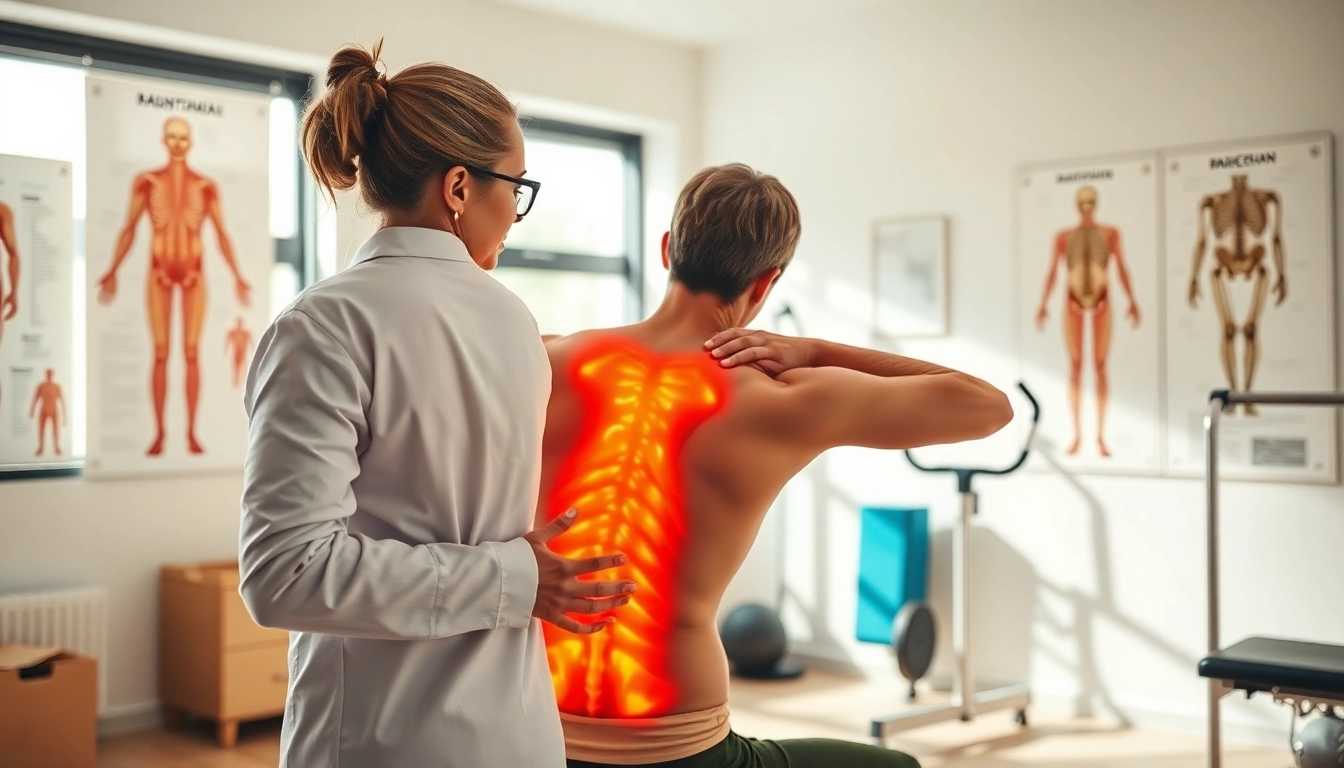
Understanding Lower Back Pain
Definition and Causes
Lower back pain, clinically known as lumbago, refers to discomfort in the lower part of the spine that can stem from various underlying issues. It can manifest as sharp, acute pain or a more chronic, dull ache that hinders everyday activities. Common causes include muscle strains, ligament sprains, disc problems, arthritis, and skeletal irregularities. Factors such as obesity, sedentary lifestyle, and age significantly contribute to the frequency and severity of lower back pain. Understanding these causes can lead to more effective lower back pain treatment strategies.
Symptoms and Impact
Symptoms of lower back pain can vary widely. They may include persistent aching, shooting or stabbing pains, and discomfort that may radiate down the legs. The impact on daily life can be substantial, affecting work performance, recreational activities, and even mental health. Individuals with lower back pain may experience difficulty in standing, sitting, or sleeping comfortably, leading to decreased productivity and increased emotional stress.
Diagnosis Procedures
Diagnosing lower back pain typically begins with a comprehensive medical history and physical examination performed by a healthcare professional. Imaging tests such as X-rays, MRIs, or CT scans may be utilized to pinpoint the precise cause. In certain cases, blood tests may be conducted to rule out infections or other medical conditions. An accurate diagnosis is crucial for determining the most effective treatment options.
Common Lower Back Pain Treatment Methods
Physical Therapy Techniques
Physical therapy is often a cornerstone of lower back pain treatment. Licensed physical therapists employ various techniques, including manual therapy, therapeutic exercises, and modalities such as heat or cold therapy. Tailored exercise programs can help strengthen core muscles, improve flexibility, and enhance posture, all of which can alleviate lower back pain. Additionally, therapists may teach patients vital body mechanics to prevent future injuries.
Medications and Their Effectiveness
Over-the-counter and prescription medications can play a significant role in managing lower back pain. Nonsteroidal anti-inflammatory drugs (NSAIDs) like ibuprofen effectively reduce pain and inflammation. Muscle relaxants may be prescribed for acute pain episodes, while certain antidepressants may help with chronic pain management. However, it’s essential to discuss the potential side effects and long-term dependency associated with these medications with a healthcare provider.
Alternative Treatments and Approaches
Many individuals seek alternative treatments for lower back pain, encompassing acupuncture, chiropractic care, and massage therapy. These methods focus on holistic healing approaches and often aim for pain reduction and improved function. While research varies regarding their effectiveness, many patients report positive outcomes. Mindfulness practices and biofeedback techniques may also help in managing the psychological aspects of chronic pain.
Importance of Rehabilitation in Lower Back Pain Treatment
Role of Exercises and Stretching
Rehabilitation involves a structured plan that includes both exercise and stretching aimed at restoring mobility and strength. Specific exercises can facilitate muscle awareness, enhance flexibility, and promote healing of the affected areas. Stretching before and after physical activity can prevent the recurrence of lower back pain by reducing muscle tension and improving vascular circulation.
Nutrition’s Impact on Recovery
Nutrition plays a fundamental role in the recovery from lower back pain. A balanced diet rich in anti-inflammatory foods such as omega-3 fatty acids, fruits, and vegetables can support recovery and overall health. Staying hydrated and maintaining an optimal weight can also decrease stress on the spine. Consulting with a nutritionist can provide tailored guidelines for individuals looking to enhance their healing process through diet.
Hiring a Professional vs. Self-Treatment
Deciding between professional treatment and self-care can be challenging. While some cases of lower back pain can be managed at home through rest and over-the-counter pain relief, more severe or persistent pain warrants professional intervention. Engaging with healthcare professionals ensures that an individual receives a proper diagnosis and appropriate interventions to prevent potential complications.
Preventing Recurrence of Lower Back Pain
Ergonomics and Posture Adjustments
Maintaining proper ergonomics while sitting, standing, or lifting is crucial in preventing lower back pain. Investing in ergonomic office furniture, practicing good posture, and being aware of body alignment can significantly reduce the risk of pain recurrence. Simple adjustments, like using supportive cushions or adjusting the height of one’s computer screen, can yield substantial benefits.
Lifestyle Changes for Long-term Relief
Long-term relief from lower back pain often requires significant lifestyle changes. Incorporating regular physical activity, maintaining a healthy weight, and quitting smoking are proven strategies to reduce chronic pain symptoms. Setting realistic goals for physical fitness can help create a sustainable exercise routine that supports spine health and overall well-being.
When to Seek Professional Help
Recognizing when to seek professional help is key to effective treatment. Individuals should consult a doctor if they experience severe back pain, persistent discomfort lasting more than a few weeks, or associated symptoms such as numbness, weakness, or bladder issues. Immediate medical attention may be necessary for pain resulting from an injury or accident.
FAQs on Lower Back Pain Treatment
What are common causes of lower back pain?
Common causes include muscle strain, herniated disks, and arthritis. Lifestyle factors such as poor posture and inactivity also contribute.
What treatments are available for chronic lower back pain?
Chronic lower back pain can be treated with physical therapy, medications, injections, and sometimes surgery, depending on severity.
How long does it typically take to recover from lower back pain?
Recovery time varies based on the cause but often ranges from a few weeks to several months with appropriate treatment.
Can exercises help alleviate lower back pain?
Yes, specific exercises can strengthen back muscles, improve flexibility, and reduce pain. Consult a healthcare provider for recommendations.
When should I consult a doctor about my back pain?
Seek medical advice if your pain is severe, persistent, or accompanied by other symptoms like numbness, weakness, or bladder issues.