Understanding Cape Cod Homes
History and Features of Cape Cod Homes
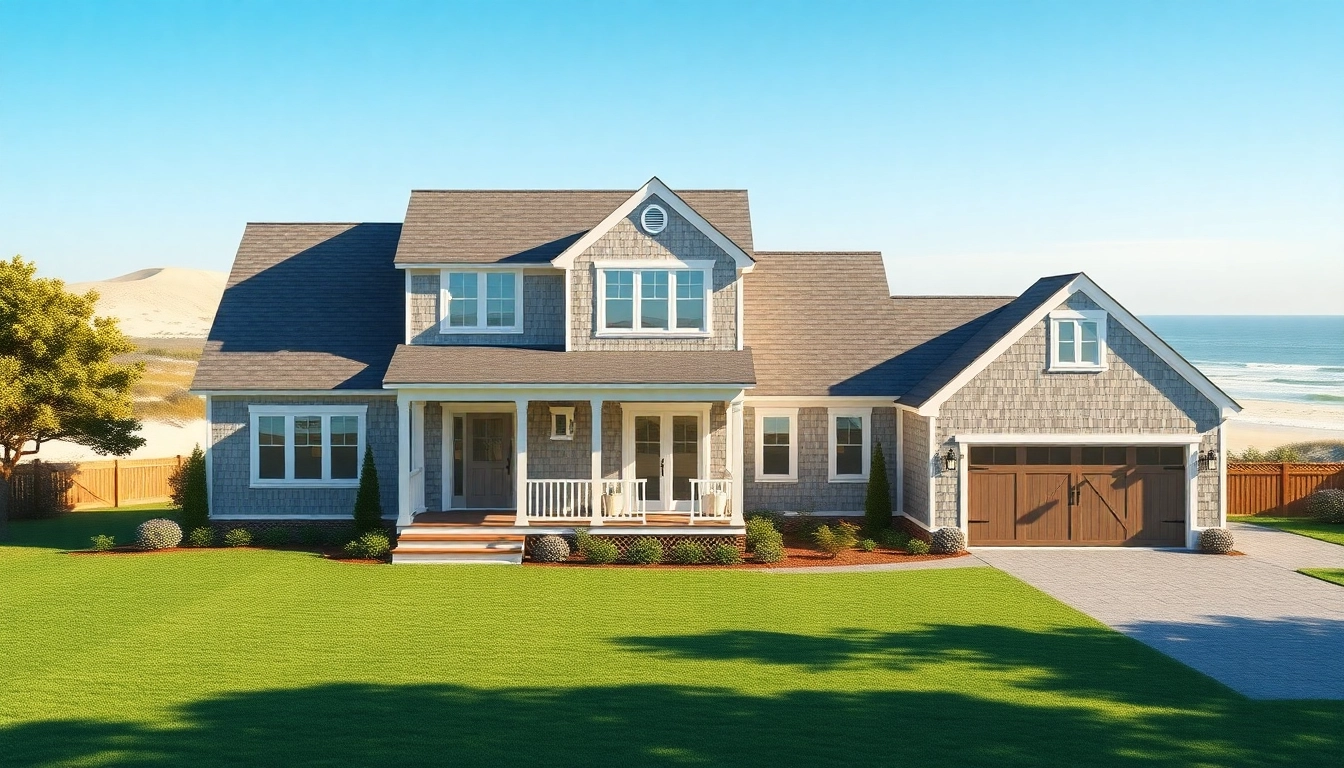
Originating in the 17th century, cape cod homes represent a quintessential American architectural style that resonates deeply with the northeastern coastline. Characterized by their steep roofs that shed heavy snowfall and dormer windows that penetrate the eaves’ incline, these homes were initially designed for practicality and warmth. The symmetrical facade and simple lines reflect the utilitarian nature of early American settlers who desired shelter that was both functional and efficient.
Common Design Elements
Distinctive features of Cape Cod homes include wood siding, commonly painted in soft hues, and rustic shingles that enhance their natural charm. Exteriors are usually adorned with a central front door framed by large windows on either side, creating a balanced aesthetic. Internally, open floor plans with low ceilings are prevalent, providing comfort while inviting rustic elegance to the living space. Many homes feature decorative elements such as exposed ceiling beams and colonial-style fireplaces to maintain an authentic historical feel.
Regional Adaptations of Cape Cod Homes
As the Cape Cod home style spread, regional adaptations emerged. In coastal areas, homes might be raised on stilts to protect against flooding, while interiors often include nautical-themed decorations. In more urban settings, some Cape Cod homes have incorporated modern elements such as expansive glass windows and open-concept layouts, blending traditional roots with contemporary design. Historical Cape Cod homes often see restoration efforts to preserve their original charm while integrating modern amenities.
Benefits of Expanding Cape Cod Homes
Increased Living Space and Functionality
One of the primary reasons homeowners consider expanding their Cape Cod homes is the need for increased living space. As families grow, the requirements for usable space evolve, making it essential to adapt the home accordingly. Expansions can take various forms, from adding new rooms to creating spacious open areas that enhance daily activities such as cooking and entertaining. Well-planned expansions can improve overall functionality and create a more cohesive living environment, allowing for more flexibility in how spaces are used.
Enhancing Property Value
Home expansions are not just about improving personal living conditions—they can significantly enhance property value. By increasing square footage and modernizing outdated elements, homeowners not only cater to their family’s needs but also elevate the marketability of their property. Expansions increase resale value, especially if they blend seamlessly with the existing architectural style. Potential buyers often seek homes with adequate space and modern conveniences, making expansions a sound investment.
Creating a Cohesive Design
When executed thoughtfully, expansions can lead to a cohesive design that respects the original architecture while enhancing its aesthetic appeal. By careful planning, homeowners can ensure that new additions harmonize with existing structures through matching materials, colors, and architectural details. A cohesive design not only maintains the character of Cape Cod homes but also reinforces their timeless beauty, encouraging a sense of unity within the structure.
Designing an Attached Garage
Types of Attached Garages for Cape Cod Homes
When looking to add an attached garage to a Cape Cod home, various design types can be explored. The classic single-car garage is common, accommodating vehicle storage alongside additional tools and outdoor equipment. For larger families, a two-car garage can be highly functional, offering ample storage and workspace. Variations such as side-entry garages enhance aesthetic appeal and can help mitigate the visual impact of a garage when viewed from the street.
Integrating the Garage into Architectural Style
To maintain the integrity of the Cape Cod aesthetic, integrating the garage’s design with the existing home architecture is crucial. Key strategies include matching the roof pitch to the main house, using similar siding materials, and maintaining the color palette. Architectural details such as windows or decorative trim can also be replicated, ensuring the garage appears as a natural extension rather than an afterthought. This careful integration enhances overall curb appeal and cohesion.
Cost Considerations for Building an Attached Garage
The cost of constructing an attached garage can vary significantly depending on factors such as size, materials, and location. Homeowners should prepare for expenses ranging from basic construction to more elaborate designs that may include insulation and finished interiors. Budgeting will also need to account for permits, architectural consultations, and potential landscaping adjustments that may arise during and after construction. Engaging with contractors early can clarify costs and avoid unexpected expenses.
Best Practices for Implementation
Working with Architects and Designers
Collaborating with skilled architects and designers is a crucial step in the expansion or garage integration process. Professionals can help translate homeowner visions into design blueprints that respect Cape Cod architectural guidelines while maximizing functional space. Additionally, they can provide insights into the best materials and design practices that not only satisfy aesthetic desires but are also sustainable and energy-efficient.
Securing Permits and Regulations
Before embarking on any renovations, securing the necessary permits is vital to comply with local building regulations. Homeowners should consult with their municipality’s building department to understand zoning laws, safety codes, and any specific guidelines related to modifications on Cape Cod homes. Adhering to these regulations will prevent potential legal issues and ensure that the construction does not hinder the beauty of the neighborhood.
Choosing Quality Materials and Finishes
To preserve the classic look of Cape Cod homes while ensuring durability and functionality, selection of quality materials is paramount. Common choices include natural woods and weather-resistant shingles that echo the traditional style. Finishes should complement existing architectural details, and energy-efficient materials can significantly enhance comfort levels in the home. Investing in quality materials not only improves the lifespan of the renovation but also elevates the home’s overall value.
Frequently Asked Questions
What defines a Cape Cod home?
A Cape Cod home features steep roofs, dormer windows, symmetrical facades, and a simple, functional design that resonates with New England’s coastal heritage.
What are the benefits of expanding my home?
Expanding your home can provide additional living space, enhance functionality, and increase the overall property value, making it more desirable to potential buyers.
How can I design an attached garage?
A garage design should reflect your Cape Cod home’s architectural style with matching materials and colors to ensure a seamless integration into the existing structure.
Do I need a permit for home renovations?
Most renovations, including expansions and garage constructions, require permits. Always check local regulations to ensure compliance before starting any project.
What materials work best for Cape Cod home renovations?
Common materials include wood, shingles, and stone, allowing for aesthetic consistency with traditional designs while also ensuring durability and weather resistance.